
Most water damage doesn't come from dramatic pipe bursts or flooded basements. It starts with a tiny leak hidden behind a wall, under a sink, or beneath an appliance. By the time you notice a stain, warped flooring, or a musty smell, the damage may already be done.
And it adds up fast. The average water damage insurance claim costs homeowners nearly $14,000, according to data from the Insurance Information Institute. In many cases, the leak had been quietly causing problems for weeks - or even months - before anyone knew it was there.
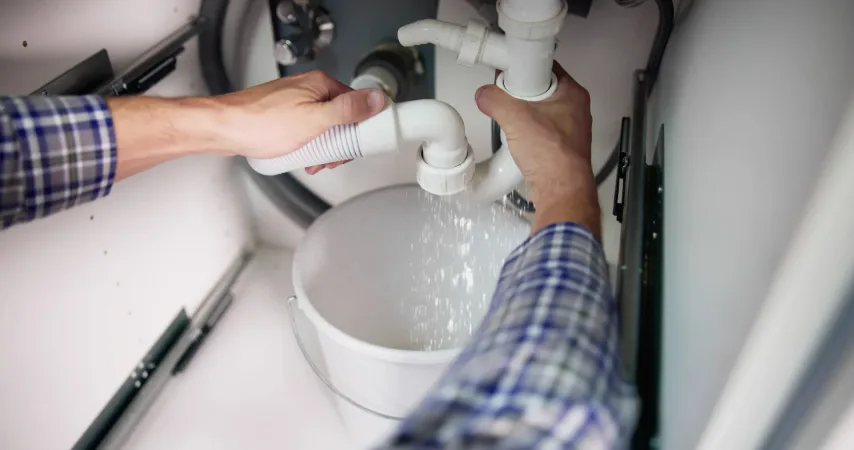
The good news? Today's smart leak detection systems can alert you to a problem almost immediately. Many can even shut off your water automatically before a small leak turns into a major repair bill.
They're more affordable than ever, easy to install, and one of the smartest ways to protect your home. If you haven't investigated a leak detection system yet, now might be the perfect time.
Where Leaks Really Like to Hide
When most people think of a plumbing leak, they picture something obvious - a dripping faucet or a toilet that won't stop running. But the leaks that cause the biggest headaches are usually the ones you never see.
Some of the most common hiding spots include:
- Under kitchen and bathroom sinks, where supply lines and fittings can slowly wear out over time.
- Behind washing machines, where an aging hose can fail without warning and release gallons of water in minutes.
- Around water heaters, where a small leak at the base of the tank can go unnoticed for weeks.
- Beneath slab foundations, where even a tiny pinhole leak can quietly begin wasting water and, over time, potentially damage the foundation.
- Near HVAC drain lines, which can clog and overflow during the hot, humid months when your system is working hardest.
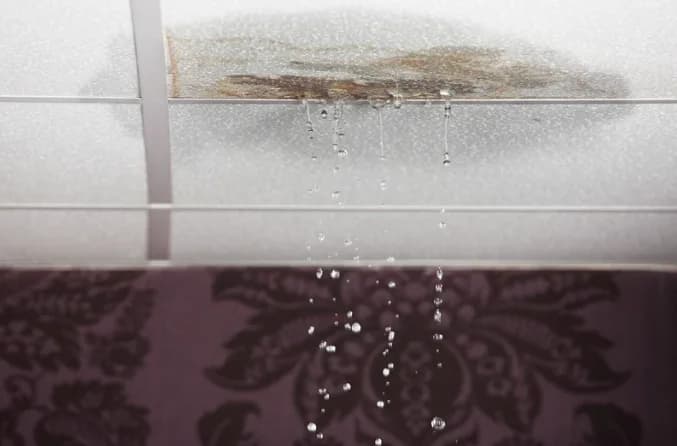
The tricky part is that most of these leaks don't give you much warning. No dripping sound. No puddle on the floor. By the time you notice stained drywall, warped flooring, or a musty smell, the water has often been causing damage for quite a while.
How Home Leak Detection Systems Actually Work
Today's leak detection technology is smarter - and more affordable - than most people realize. There are two main types of systems, and each offers a different level of protection.
Point Sensors
These are small devices placed in areas where leaks are most likely to happen, such as under sinks, behind washing machines, near water heaters, or next to sump pumps. If they detect moisture, they immediately send an alert to your phone.
They're simple, inexpensive, and surprisingly effective. For many homeowners, a handful of sensors can provide protection in the home's most vulnerable areas for less than the cost of a minor plumbing repair.
Whole-Home Leak Detection and Automatic Shutoff Systems
For even greater protection, whole-home systems are installed on your main water line and monitor water usage around the clock. They learn your home's normal flow cycles and can spot unusual activity that may indicate a hidden leak.
If something doesn't look right, the system sends an alert in real time. Many models can even shut off the water automatically, preventing a small leak from becoming a major disaster. Whether you're at work, on vacation, or asleep upstairs, the system is constantly watching for problems.
Many modern leak detection systems also connect with smart home platforms such as Amazon Alexa, Google Home, and Apple HomeKit, making them easy to manage alongside the rest of your home's smart technology.
The goal is simple: catch a leak while it's still a minor inconvenience rather than an expensive insurance claim.
What to Look for in a Leak Detection System
If you start shopping for leak detection systems, you'll quickly find that not all of them offer the same level of protection. Some simply sound an alarm when water is detected, while others can actively help prevent major damage.
Here are a few features worth paying attention to:
Automatic Water Shutoff
For whole-home systems, this is often the most valuable feature. If a pipe bursts or a major leak is detected while you're away, the system can automatically shut off your water before the damage spreads.
Real-Time App Alerts
A loud alarm is helpful if you're home. But if you're at work, on vacation, or just asleep, a notification sent directly to your phone can make all the difference.
Battery Backup
Plumbing emergencies don't always happen at convenient times - and neither do power outages. A system with battery backup can continue protecting your home even when the electricity goes out.
Smart Home Connectivity
If you already use smart home devices, look for a system that works with platforms such as Amazon Alexa, Google Home, or Apple HomeKit. It makes monitoring and managing your home even easier.
Professional Monitoring
Some systems offer optional 24/7 monitoring services. If a leak is detected and you're unable to respond, a monitoring center can help make sure the issue doesn't go unnoticed.
At the end of the day, the best leak detection system is the one that alerts you quickly and helps stop a small problem before it becomes a major repair bill.
Three Levels of Protection to Consider
The good news is that protecting your home from water damage doesn't have to cost a fortune. Whether you're looking for a simple solution or whole-home protection, there's an option that fits almost every budget.
Budget-Friendly Protection
If you're just getting started, a few basic leak sensors can go a long way. Small devices from brands like Govee or LeakSmart can be placed under sinks, behind appliances, or near your water heater. If they detect water, you'll get an alert on your phone.
For less than the cost of a service call, you can protect the areas where leaks are most likely to happen.
Mid-Range Coverage
If you want broader protection, consider a multi-sensor kit with a central hub. These systems typically include several sensors, smarter notifications, and better integration with your existing smart home system.
Brands like Arlo and Honeywell offer solutions that let you monitor multiple areas of your home from a single app.
Whole-Home Protection
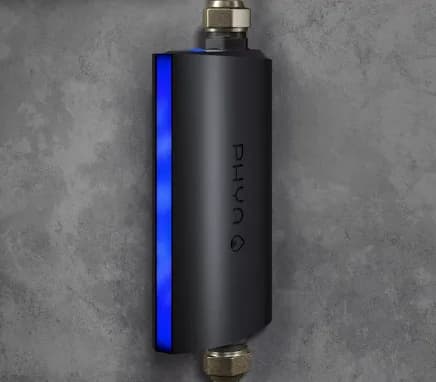
For homeowners looking for the highest level of protection, whole-home systems are worth a serious look. Products like LeakSecure, Moen Flo, Phyn Plus, and Kohler Konnect install directly on your main water line and continuously monitor your home's water usage.
These systems can detect unusual flow patterns, alert you to hidden leaks, and in many cases automatically shut off the water if a problem is detected. It's about as close as you can get to having a 24/7 water watchdog for your home.
A bonus: some insurance providers offer discounts for homes equipped with approved leak detection and automatic shutoff systems, helping offset part of the investment over time.
No matter which tier you choose, some protection is almost always better than none. Catching a leak early can turn a potential five-figure repair into a simple cleanup and a quick fix.
Point sensors are DIY-friendly, while whole-home shutoff systems require professional installation on your main water line. If a whole-home shutoff system is something you're considering, contact Allegiant Plumbing Services at 614-824-5002 and we can go over your options and get you a quote.
One More Thing Worth Mentioning
Many homeowners assume that if a leak causes damage, insurance will simply cover it. Sometimes that's true - but it's not always that straightforward.
Many insurance policies distinguish between sudden, accidental water damage and gradual, slow-developing leaks. If a problem has been slowly worsening for months before it's discovered, it may be considered a maintenance issue rather than a covered event.
Even when a claim is approved, there are still deductibles to pay, repairs to coordinate, and the disruption that comes with drying out, rebuilding, and putting your home back together.
That's why leak detection systems are becoming so popular. They're not only about preventing water damage - they're about avoiding the stress, expense, and inconvenience that come with it.
When it comes to leaks, finding the problem early is almost always easier, cheaper, and less disruptive than dealing with the aftermath.
Not Sure Where to Start?
With so many options available, it can be hard to know which type of leak detection system is right for your home. That's where we can help.
During a routine service visit, we'll inspect your plumbing system, identify areas that may be more vulnerable to leaks, and help you understand which level of protection makes the most sense for your home and budget.
Whether you're interested in a few simple leak sensors or a whole-home automatic shutoff system, we'll help you find a solution that gives you peace of mind.
Give us a call at 614-824-5002 or schedule an appointment online at www.allegiantplumbing.com.
The best time to discover a leak is before it happens.