
If you live in Central Ohio and have a basement, chances are, you’ve got a sump pump. They live in the dark corners of your basement, keeping things dry in silence. Think of a sump pump as your home’s personal Drain Manager; its sole purpose is to prevent groundwater from rising high enough to enter your basement. Here’s the breakdown:
- Sump Pit: The Water Collection Point
- Float Switch: The Brains of the Operation
- Pumping Process: The Muscle
- Discharge: The Exit of Water
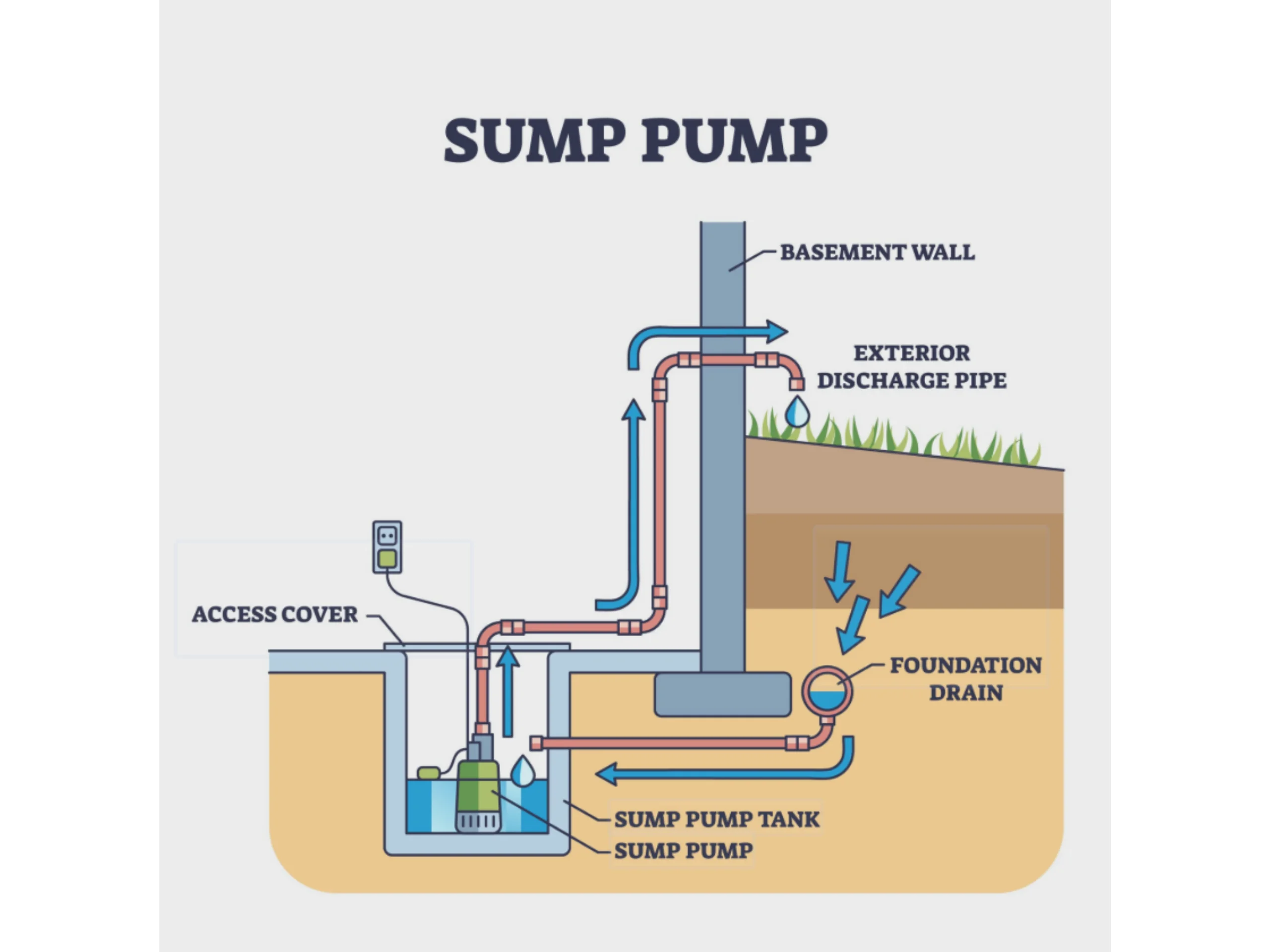
Whether your basement is finished or unfinished, you’ve likely got valuables and storage you want to keep dry. The sump pump is your silent guardian, keeping watch over your basement and valuables. In Ohio, it’s about the only thing standing between a flooded basement and a dry one. As we enter the Spring season, Ohio homeowners are going to experience heavy rainfall which means your sump pump is entering its “peak season”. Working overtime to keep the rain away from your home means now is the time to have your system checked, tested and any repairs or replacements needed completed now.
5 Signs Your Sump Pump is Crying for Help
If you notice any of the following signs, it’s time to get your sump pump a much-needed check-up!
Strange Noises:
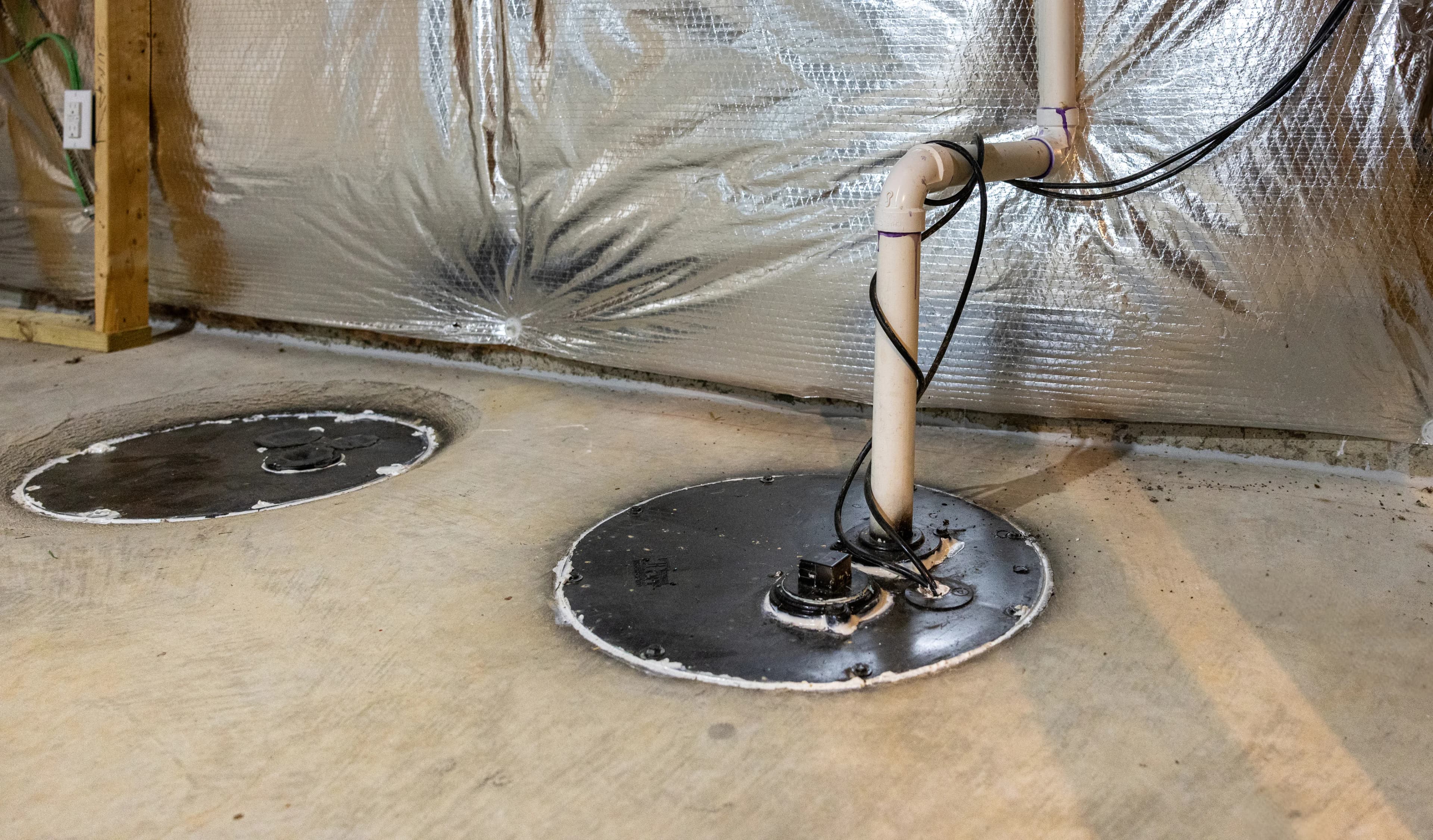
Thumping, grinding, or rattling usually means a jammed impeller or a failing motor.
The “Never-Ending” Cycle:
If it runs constantly even when it hasn’t rained, you might have a switch issue or a check valve problem.
Irregular Cycling:
Starting and stopping every few seconds often points to a short circuit or an incorrectly sized pit.
Visible Rust or Corrosion:
If it looks like it’s been at the bottom of the ocean, it’s likely past its prime.
Age:
Most pumps have a lifespan of 7–10 years. If yours is a “vintage” model, it’s a ticking time bomb.
Don’t let your silent guardian be “out of sight, out of mind”. Our team of expert plumbers recommends you go to your basement at least once a week to check and listen for anything strange or out of the ordinary. Unlike your water heater, your sump pump has a much shorter lifespan therefore needs more attention than other appliances in your home.
The “DIY” Health Check (How to Test your Sump Pump)
The Bucket Test:
Slowly pour a five-gallon bucket of water into the pit to see if the float rises and the pump triggers.
Clear the Discharge Pipe:
Ensure the water is actually exiting the pipe outside and isn’t blocked by debris or ice.
Power Check:
Ensure it’s plugged into a GFCI outlet and that the cord isn’t frayed.
These simple DIY checks can save you thousands of dollars and headaches in the future. The tip here is slow and steady; pour your water test in slowly! Don’t yank or pull anything too hard when clearing your discharge pipe. If something isn’t flowing properly, or seems stuck, it’s time to call your local plumber.
When to Call the Pros at Allegiant Plumbing
Total Failure:
If the pit is full and the pump is silent, call us immediately. Any amount of rain can be detrimental to your basement with a failed unit.
The Backup Battery Talk:
If you don’t have a battery backup, a power outage during a storm leaves you vulnerable. Investing in a backup battery for your sump pump is worth every dollar, especially if you’ve experienced a flooded basement before. You get peace of mind when you’re at work or out of town and the power goes out during a storm!
Annual Maintenance:
Just like your HVAC, a professional “clean and check” can prevent emergency calls at 2:00 AM. Ask us about our maintenance programs offered to Central Ohio residents!
Unpleasant Odors:
Persistent “swampy” smells can indicate a mold issue or a basin that needs professional cleaning. If you’re always wondering “what’s that smell” every time you go down to your basement, give Allegiant Plumbing a call! We’ll come out and assess the smell, guaranteed.
When in doubt, call us out! It’s never a bad thing to have an expert plumber in your home assessing your sump pump’s health (pro tip: we can check your water heater, too!). We also offer maintenance programs to residents within Central Ohio to regularly have one of our expert plumbers out to your home annually to check, test and make repairs and recommendations as needed.
Conclusion: Proactive vs. Reactive
When it comes to your sump pump, it’s always best to be proactive. If you put it off and wait for an incident to happen, you’re reacting to the problem and now have multiple issues and bills on your hands.
The average cost to replace a sump pump ranges anywhere from $700 – $1,900, depending on your unit type, size, backup battery, etc. which may seem like a lot, but when you compare it to the average cost of a basement flood ($3,000 – $10,000), it’s a no brainer. Keep your basement dry, your valuables safe, and your memories intact with the power of a sump pump. Never had yours checked out? Give us a call. Hear a strange noise? Give us a call. Whatever your situation, our local team of plumbers at Allegiant Plumbing will give you an honest assessment with recommendations and pricing up front. We’re your neighbors who want to keep our community safe, clean and thriving!