
Temps are freezing in the single digits right now in Central Ohio. The last thing you want to be without is hot water. Water heaters tend to be out of sight, out of mind for homeowners until it's too late. You take your hot water for granted (we know, we do too) and assume it's always going to be there for you on those bone chilling days when all you need is a hot shower. But what happens when that (much needed) luxury goes away? You panic! You run to the basement or utility room to see what's wrong, and you're met with a disaster.
Multi-tasking sets in as you grab towels, trash bags, fans and your phone. You're group texting everyone you know to see if someone can help, going on Facebook to ask for recommendations for a local plumber, and performing Google searches all at the same time. But wait! Someone in your neighborhood group text knows a 'Chuck in a truck' that can come over right now to help. He's cheap and he's fixed a sink for someone before with no complaints. Your dilemma: you've never heard of him, he has no website, and you can't find him on Google. Odds are, he's a one-man band without a proper plumbing license or insurance. But he was recommended to you, and he's cheap…you know your water heater is going to cost some big bucks. Should you risk it and play water heater roulette with this guy? The short answer: NO! Here are some of the top reasons why hiring an unlicensed, uninsured plumber is a risky bet.
Why You Should Hire a Licensed Plumber for Your Water Heater Installation:
Gas lines & electrical safety
Water heaters involve gas lines, venting, high voltage, and sometimes all three. Licensed plumbers are trained to install them safely and prevent gas leaks, fires, carbon monoxide risks, or electrical hazards. Your neighborhood Chuck in a truck hasn't been formally trained on gas lines or electrical safety…and need we remind you; he has no insurance? If an accident happens to him at your home, you've now got another problem on your hands. Carbon monoxide is no joke and can cause serious problems for your family and pets. Majority of homeowners in Central Ohio don't own a carbon monoxide detector, therefore it can be a silent killer that requires skill and training to prevent and avoid. Licensed plumbers are equipped to handle all these hazards and more, keeping you and your loved ones safe in your home.
Proper venting & combustion air
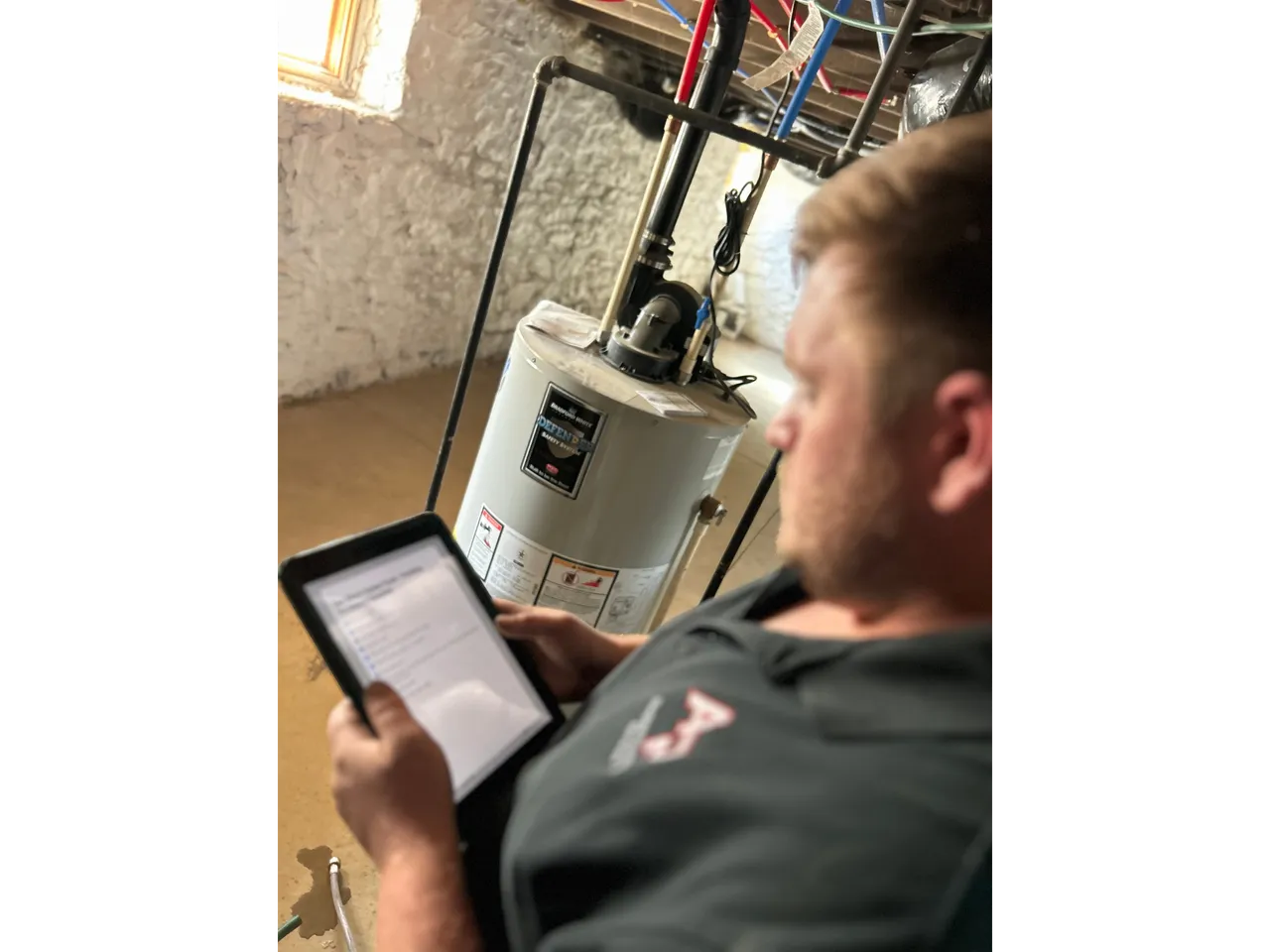
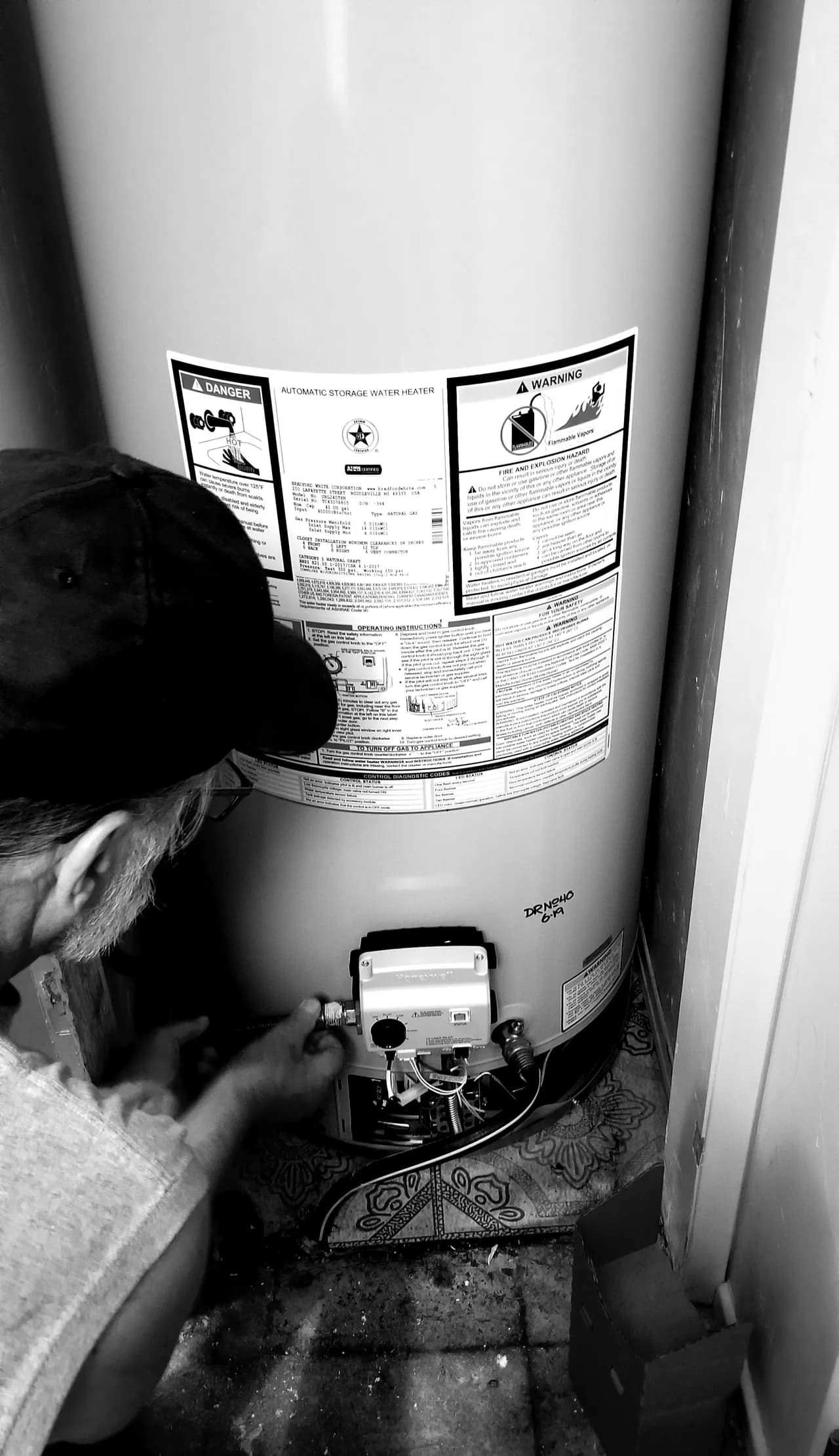
Incorrect venting is one of the most dangerous installation mistakes when it comes to water heaters. Licensed plumbers are trained to calculate and provide proper combustion air, whether that means louvers or grilles, dedicated combustion air ducts, a mechanical air supply, or switching to a sealed combustion or power-vent unit. Your cheap neighborhood guy down the street may not even know what combustion air is, potentially creating more issues down the road like burning smells, soot residue, pilot light constantly going out, and more.
Code-compliant installation
Water heater installs must meet local and state plumbing codes. Licensed plumbers know current requirements for expansion tanks, pressure relief valves, drain pans, seismic strapping, and venting. This comes into play when you go to sell your home and need to have an inspection done; hiring a trusted, licensed plumber will ensure you pass your inspection report beautifully, leaving the next homeowner set up for success.
Permit & inspection handling
Most water heater installs in Central Ohio legally require permits, even if it does not seem necessary. A licensed plumber pulls the proper permits, so the installation is documented, approved, and protected. In the City of Columbus, the municipal code states you must obtain a plumbing permit before installing, altering, or repairing *any* plumbing appliance or system, which includes water heaters!
Prevention of water damage
Most water leaks aren't caused by a defective tank, but rather are the result of installation mistakes. Poorly connected water lines are the most common reason for leaks, but we've seen things like missing drain pans, relief valves, and incorrect safety components like expansion tanks. Ensuring all these factors are installed and done properly guarantees your water heater tank to perform at its optimal efficiency and last the duration of the manufacturer's life expectancy.
Correct sizing & efficiency
A licensed plumber evaluates household demand to ensure the water heater is properly sized, preventing running out of hot water, overworking the unit, or wasting energy. Does your household need a 40- or 50-gallon tank? Should you consider a tankless water heater? These are all factors to consider when installing a new hot water heater. Hiring a licensed, professional plumber means these questions are addressed beforehand. Licensed plumbers consider all things in your home like the number of bathrooms, people, peak hot water demand (showers, laundry and dishes all at once) and space requirements before helping you decide what water heater is best for your home.
Warranty protection
Hot water heaters are expensive, regardless of who installs it. Saving a chunk of change up front may seem like a good idea, but many manufacturers require professional installation to keep warranties valid. DIY or unlicensed installs can void coverage entirely. At Allegiant Plumbing, we're authorized representatives for both AO Smith and Kohler, so you can have peace of mind knowing the manufacturers stand behind our work and craftsmanship.
Pressure & temperature safety
The temperature & pressure relief valve is your water heater's *last* line of defense. If pressure or temperature were to become dangerously high inside the tank, the T&P valve's job is to automatically release water. Incorrectly installed T&P valves can cause dangerous pressure buildup with nowhere to go. Licensed plumbers ensure these critical safety components function correctly, have the proper slope for pressure to release, and test the valve to ensure it operates correctly. The valve being installed in the correct port and orientation ensure you won't have a freak accidental water heater explosion making you the talk of the neighborhood for all the wrong reasons.
Insurance & liability protection
Licensed plumbers carry insurance. If something goes wrong, the homeowner isn't financially responsible, unlike unlicensed installs. If the unlicensed worker files a lawsuit claiming negligence (even if the injury was partly their fault), you could be held financially responsible. Furthermore, if you find yourself in court, you may be considered partially liable for hiring someone that was not qualified to perform the job. Many homeowner insurance policies exclude coverage for injuries to workers in your home that are without a license or insurance, meaning you're paying out of pocket for any medical bills, lost wages and legal claims, if they occur.
Accountability & peace of mind
Licensed plumbers stand behind their work. If there's an issue, they're accountable and available. Not gone after the check clears. Being an unlicensed plumber means they aren't bound by regulations, permits or boards, therefore there is no governing body to enforce accountability or corrections to work completed. Most of the 'Chuck in a truck' companies cut corners including paperwork and permits, leaving you without proper documentation of improvements or repairs made to your home. Hiring a licensed plumber means checks and balance between manufacturers, regulatory boards, clients and overall reputation.
If you want the job done right the first time, always go with a licensed plumber. Professionals are held to higher standards and accountability than unlicensed contractors that dip the minute they're done and ghost you when you have a problem. Water heaters are imperative for a functional household, and despite the high-ticket price, it's worth hiring a licensed plumbing professional that will take the time to ensure the job is done right.